
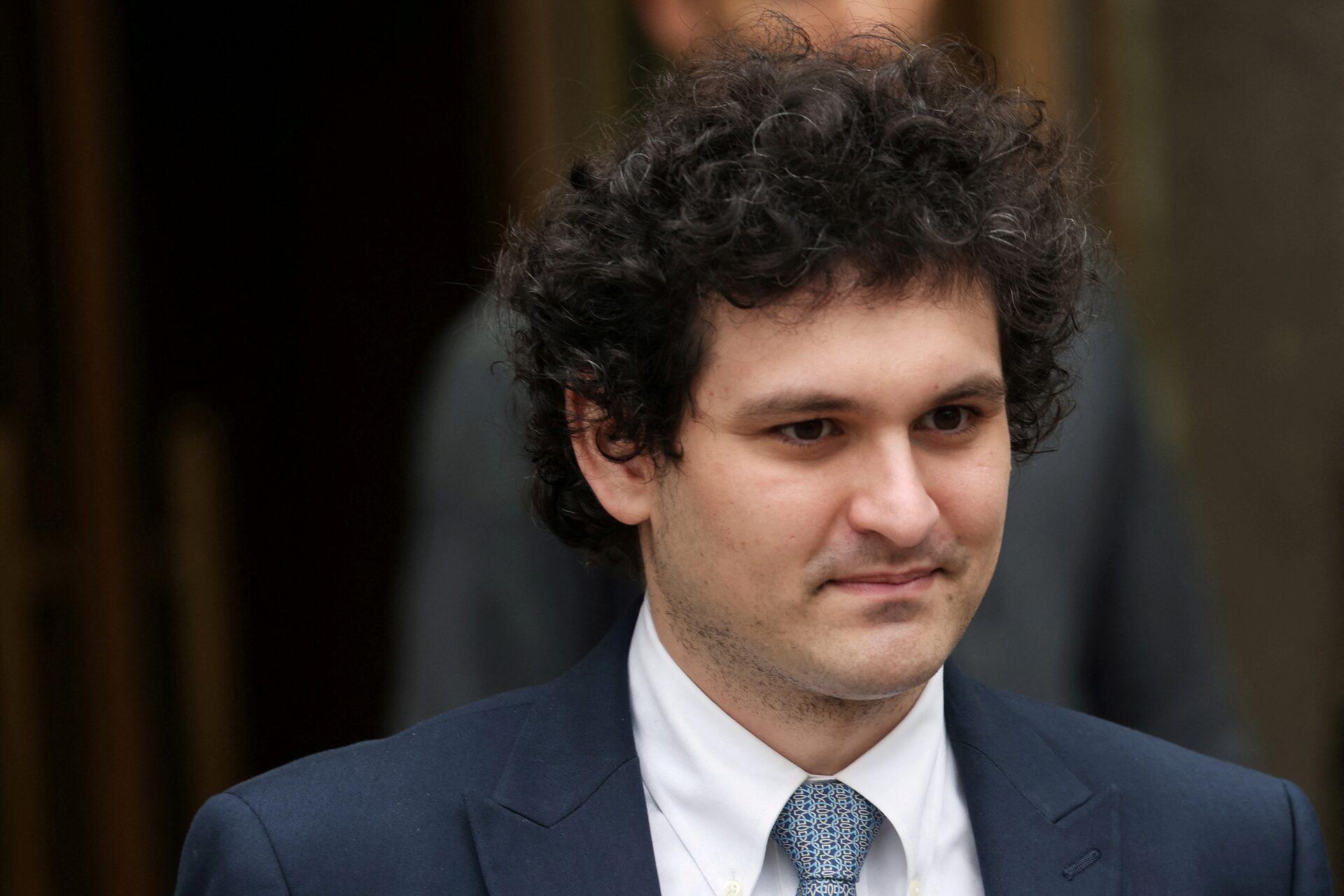
The series, titled “The Boy Who Stole Billions?”, examines the failure of FTX, once valued at $32 billion, and the misuse of approximately $8 billion in customer funds that led to Bankman-Fried’s conviction. The former executive is serving a 25-year federal prison sentence following his November 2023 conviction on seven fraud and conspiracy charges.
Directed by Nanette Burstein, the documentary arrives as Bankman-Fried continues challenging his conviction through the US Supreme Court and FTX’s bankruptcy estate distributes recovered assets to creditors.
What Will Amazon’s FTX Documentary Reveal?
Amazon says the documentary includes Bankman-Fried’s account of FTX’s collapse from prison, alongside previously unseen interviews with people who helped establish and operate the exchange.
The production examines the company’s internal working environment, relationships among its executives and the decisions that preceded its November 2022 bankruptcy.
A central subject is Bankman-Fried’s relationship with Caroline Ellison, his former girlfriend and the former chief executive of Alameda Research, the affiliated trading firm that received billions of dollars in FTX customer deposits.
Ellison pleaded guilty to fraud-related charges and became a principal prosecution witness during Bankman-Fried’s trial. Her testimony described how Alameda used customer funds to repay lenders and finance other activities.
She received a two-year prison sentence in September 2024 and was released in January 2026. As FinanceFeeds reported in September, Ellison subsequently joined nonprofit organization Manifund after her release.
Amazon’s documentary follows Netflix’s November 19 premiere of “The Altruists,” an eight-episode scripted series starring Anthony Boyle as Bankman-Fried and Julia Garner as Ellison. Unlike the Netflix dramatization of the FTX scandal, Amazon’s production relies on interviews with Bankman-Fried and individuals connected to the exchange.
What Is the Status of Bankman-Fried’s Criminal Appeal?
The documentary’s release comes more than five months after the US Court of Appeals for the Second Circuit upheld Bankman-Fried’s conviction and 25-year prison sentence.
In its June 12, 2026 ruling, the appeals court rejected arguments challenging the fairness of his trial and the evidence presented to the jury. It also upheld an approximately $11 billion forfeiture order.
Bankman-Fried had argued that FTX possessed sufficient assets to repay customers and that the trial court improperly restricted evidence supporting his defense.
However, the appellate judges concluded that an intention to repay customers eventually would not eliminate criminal liability for the unauthorized use of their funds.
The court’s formal mandate took effect in August, as FinanceFeeds previously detailed.
Bankman-Fried subsequently petitioned the US Supreme Court on September 10, seeking review of his conviction. The petition was docketed on September 15 under case number 26-349.
According to the Supreme Court’s docket, the US government received an extension until December 16, 2026, to submit its response. The justices have not agreed to hear the case, and the conviction and sentence remain in effect.
Investor Takeaway
Bankman-Fried’s participation in the documentary does not change the legal findings against him. The pending Supreme Court petition concerns the validity of his conviction, while the separate bankruptcy process determines how recovered assets are distributed to creditors.
How Much Have FTX Creditors Recovered?
The documentary also arrives as the FTX Recovery Trust continues administering payments under the exchange’s court-approved Chapter 11 reorganization plan.
The trust completed its fifth distribution on July 31, 2026, involving approximately $900 million in payments to eligible creditors. By that stage, cumulative distributions had reached roughly $10 billion.
The recoveries reflect extensive asset sales, litigation settlements and the realization of investments held by the bankrupt exchange.
However, creditor repayments are generally calculated using allowed claim values established around FTX’s November 2022 bankruptcy rather than the subsequent market value of cryptocurrencies customers previously held.
Consequently, a creditor receiving more than 100% of an allowed dollar claim has not necessarily recovered the same quantity of Bitcoin, Ether or other assets originally deposited on the platform.
That distinction is particularly relevant to investors whose cryptocurrency holdings appreciated substantially after FTX entered bankruptcy.
Bankman-Fried’s criminal forfeiture order is also separate from the bankruptcy estate’s distributions. The two processes involve different legal obligations and should not be treated as interchangeable measures of customer recovery.
Investor Takeaway
FTX’s creditor recovery figures demonstrate the estate’s ability to realize and distribute assets, but they do not establish that every customer has recovered the original economic value of their cryptocurrency holdings. Investors should distinguish dollar-denominated claim recoveries from repayment in the underlying digital assets.
Why Does the FTX Case Still Matter for Crypto Exchanges?
Although FTX collapsed four years ago, the case continues to provide a reference point for cryptocurrency custody, governance and the financial relationships between exchanges and affiliated trading firms.
Evidence presented during Bankman-Fried’s trial established that customer funds were transferred to Alameda and used for purposes beyond the transactions customers had authorized.
The case exposed the risks created when a trading platform maintains inadequate separation between customer assets, corporate funds and affiliated investment operations.
For investors evaluating centralized exchanges, relevant safeguards include independent custody arrangements, restrictions on related-party lending, transparent reserve reporting and controls over access to customer balances.
The documentary may provide additional accounts of how decisions were made inside FTX, but interviews and personal recollections do not independently establish new financial facts or overturn findings reached in court.
Its release places renewed attention on one of cryptocurrency’s largest corporate failures while the Supreme Court petition and creditor recovery proceedings remain active.